

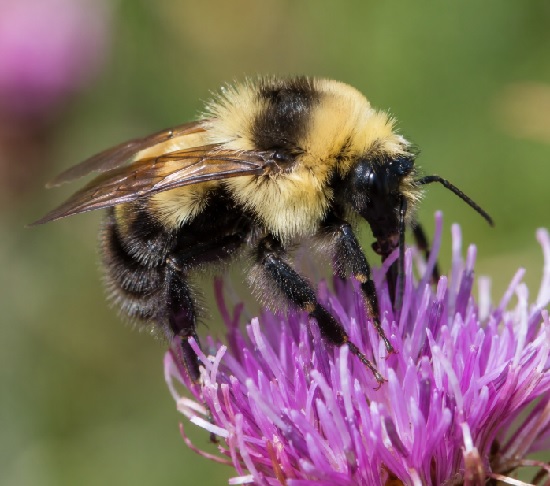
Parasitic bumblebee that lays eggs in other bees’ nests.
Yellowish Cuckoo Bumblebee (Fernald’s Cuckoo Bumblebee)
Discover the fascinating world of the Yellowish Cuckoo Bumblebee, also known as Fernald’s Cuckoo Bumblebee, a unique parasitic bumblebee with an unusual survival strategy.
Yellowish Cuckoo Bumblebee – A cuckoo bumblebee that depends on host colonies to raise its young
- What is a Yellowish Cuckoo Bumblebee?
- Where does Fernald’s Cuckoo Bumblebee live?
- What makes this bee different from regular bumblebees?
Below you’ll find clear answers to all of these—plus habitat, behavior, diet, reproduction, conservation, and interesting facts.
Apidae
The Yellowish Cuckoo Bumblebee is a parasitic bumblebee known for taking over the nests of other bumblebee species instead of building its own colony.
Quick Facts
- Type: Cuckoo bumblebee
- Scientific Name: Bombus flavidus
- Diet: Nectar from flowering plants
- Habitat: Meadows, forests, tundra edges, alpine areas, and northern grasslands
- Range: Northern North America and parts of Eurasia
- Special Feature: Does not produce worker bees
- Conservation Concern: Sensitive to host bee decline and habitat loss
Overview
The Yellowish Cuckoo Bumblebee, often called Fernald’s Cuckoo Bumblebee, is one of the more unusual members of the bumblebee world. While most bumblebees form colonies with queens, workers, and developing young, this species follows a different path. It is a cuckoo bumblebee, meaning it relies on the colonies of other bumblebees to reproduce.
Instead of gathering pollen for larvae or raising workers, a female Yellowish Cuckoo Bumblebee searches for an established host nest. Once inside, she may dominate or replace the resident queen and lay her own eggs. The host workers then care for her offspring as if they belonged to their original colony.
Physical Characteristics
Fernald’s Cuckoo Bumblebee has the fuzzy, rounded appearance many people associate with bumblebees, but it has several traits that separate it from ordinary worker-producing species.
- Color: Usually yellowish with black markings and pale hair patterns
- Body: Sturdy and compact, with dense hair for insulation
- Legs: Lacks pollen baskets because it does not collect pollen for young
- Females: Often have tougher bodies and strong stingers for nest takeover
Because many bumblebee species look similar, identifying this bee in the field can be difficult without close observation or expert confirmation.
Habitat and Distribution
The Yellowish Cuckoo Bumblebee is usually associated with cooler northern habitats. In North America, it may be found in parts of Canada, Alaska, and northern regions of the United States where suitable host bumblebees occur.
Preferred habitats include wildflower meadows, open woodlands, alpine zones, tundra edges, and natural grasslands. Since this species does not build its own nest, the presence of healthy host bumblebee colonies is more important than a specific nesting site.
Diet and Feeding Habits
Adult Yellowish Cuckoo Bumblebees feed mainly on nectar. They visit a variety of flowering plants and may help pollinate flowers while feeding. However, unlike many social bumblebees, they do not actively collect pollen to provision a colony.
Common nectar sources may include native wildflowers, clovers, asters, and other seasonal blooms. Flower-rich habitats are essential because adult bees need energy before mating, searching for hosts, or preparing for winter.
Behavior and Lifestyle
The most defining behavior of Fernald’s Cuckoo Bumblebee is social parasitism. A mated female emerges in spring or early summer and looks for a host nest. After entering the nest, she attempts to take control of the colony’s workforce.
This lifestyle is similar to that of cuckoo birds, which lay eggs in the nests of other birds. In the bee world, this strategy allows the cuckoo bumblebee to avoid the energy cost of building a colony and producing workers.
Reproduction and Life Cycle
The life cycle begins when a fertilized female survives winter and emerges during the warmer season. After feeding on nectar, she searches for an established bumblebee colony. Once she gains control, she lays eggs that develop into males and new reproductive females.
Unlike typical bumblebee colonies, this species does not produce workers. The host workers perform the necessary labor, including feeding larvae and maintaining the nest. Later in the season, new males and females leave the nest to mate. Fertilized females then find protected places to overwinter.
Ecological Importance
Although it may seem unusual for a bee to depend on other bees, cuckoo bumblebees are part of natural pollinator communities. Their presence can indicate that host bumblebee populations are strong enough to support them.
They also contribute to biodiversity and may assist in pollination while feeding on nectar. Because they depend on both wildflowers and host bees, they can be sensitive indicators of environmental change.
Conservation Status
The Yellowish Cuckoo Bumblebee faces many of the same pressures affecting other native bees. Habitat loss, pesticide exposure, climate change, and the decline of host bumblebee species can all threaten its survival.
Protecting native wildflower areas, reducing pesticide use, and preserving natural meadows and forest edges can help support both cuckoo bumblebees and their host species.
Interesting Facts
- Fernald’s Cuckoo Bumblebee does not build its own colony.
- Females rely on host workers to raise their young.
- This bee lacks pollen baskets because it does not collect pollen for larvae.
- Its survival depends heavily on healthy populations of other bumblebees.
- Cuckoo bumblebees are named after cuckoo birds because of their parasitic nesting strategy.
The Yellowish Cuckoo Bumblebee is a remarkable example of nature’s complexity. Its parasitic lifestyle, dependence on host colonies, and connection to wildflower habitats make it one of the most interesting bumblebees in North America. Protecting this species means protecting entire pollinator communities, including the native bees and flowering plants that support healthy ecosystems.
FAQ
What is a Yellowish Cuckoo Bumblebee?
The Yellowish Cuckoo Bumblebee, or Fernald’s Cuckoo Bumblebee, is a parasitic bumblebee that uses the nests of other bumblebee species to raise its offspring.
What is the scientific name of Fernald’s Cuckoo Bumblebee?
Its scientific name is Bombus flavidus.
Where does the Yellowish Cuckoo Bumblebee live?
It is found in northern parts of North America and some regions of Eurasia, especially in cooler habitats with healthy bumblebee populations.
What does Fernald’s Cuckoo Bumblebee eat?
Adults mainly feed on nectar from flowering plants. They do not collect pollen for larvae like many other bumblebees.
Does the Yellowish Cuckoo Bumblebee make its own nest?
No. It takes over the nest of a host bumblebee species and relies on host workers to raise its young.
Is Fernald’s Cuckoo Bumblebee dangerous?
It is not considered dangerous to humans. Females can sting if handled or threatened, but they are not aggressive toward people under normal conditions.
Why is it called a cuckoo bumblebee?
It is called a cuckoo bumblebee because it uses another species’ nest to raise its offspring, similar to how cuckoo birds lay eggs in the nests of other birds.
Why is this bee important?
It is part of native pollinator biodiversity and can indicate the presence of healthy host bumblebee populations.
Is the Yellowish Cuckoo Bumblebee endangered?
Its status can vary by region, but it is vulnerable to habitat loss, pesticide exposure, climate change, and declines in host bumblebee species.
How can people help protect this bee?
People can help by planting native wildflowers, avoiding unnecessary pesticide use, preserving natural habitats, and supporting conservation efforts for native pollinators.
References (General)
- Britannica — general species background
- National Geographic — wildlife overview articles
- IUCN Red List — conservation status reference